

How to Detect Spray Nozzle Wear
It all starts with the nozzle. The nozzles on the shower headers in the Pulp and Paper industry are just like any other wear components. They must have the same level of attention and maintenance just like other equipment. Far too often have we heard mills say that if the shower header is spraying, then everything is working well. However, this is not always the truth.
There are a lot of different factors when it comes to spray patterns and quality of your spray. Things like laminar flow, turbulent flow, spray angle, spray pattern, pattern breakup, and visual appearance all help us decide when it could be time to change those existing spray nozzles out for new ones. You might find yourself asking:
- Why this matters.
- Why should I care about the wear of a spray nozzle? Well, for the different characteristics listed above, there are a lot of reasons. We will look at a couple of the most used spray nozzle types in the paper industry, like flat fan spray nozzles and solid stream nozzles.

Q: Why is spray nozzle performance so important in Pulp & Paper shower headers?
Spray nozzles are the heart of any effective shower header used in the Paper Industry. Worn or poorly maintained spray nozzles lead to uneven coverage, wasted water, higher costs, and reduced system performance. Regular checks help maintain efficiency and safety.
Q: What are the top 5 visible and measurable signs of spray nozzle wear?
Common signs include:
- Distorted or streaky spray patterns instead of uniform coverage
- Increased flow rate at the same pressure (often 10-15% or more)
- Lower operating pressure than expected
- Dripping when the system is off
- Visible erosion, enlargement of the orifice, or material damage
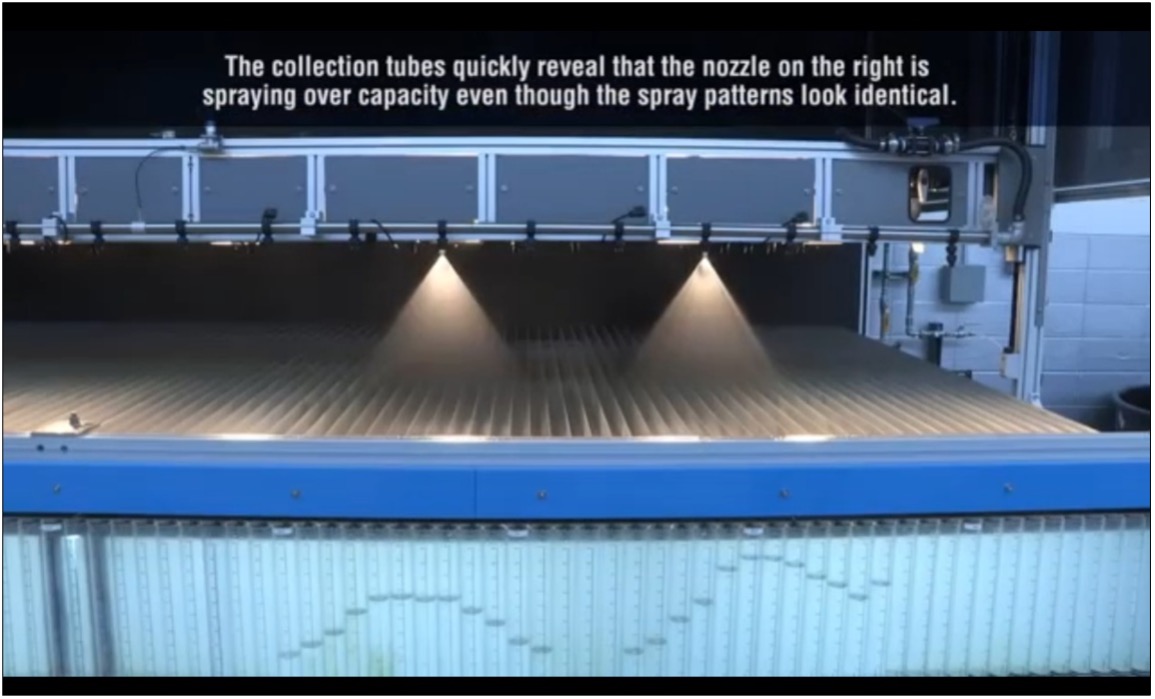
Image: Side-by-side comparison of new vs worn nozzle spray patterns (new nozzle shows even, consistent distribution; worn nozzle shows heavy streaks and poor uniformity).
Q: Why is nozzle wear often difficult to detect with just a visual inspection?
Often, a worn spray nozzle still looks normal to the naked eye. The orifice may have enlarged internally without obvious external damage, yet it sprays significantly more fluid with a deteriorated pattern.
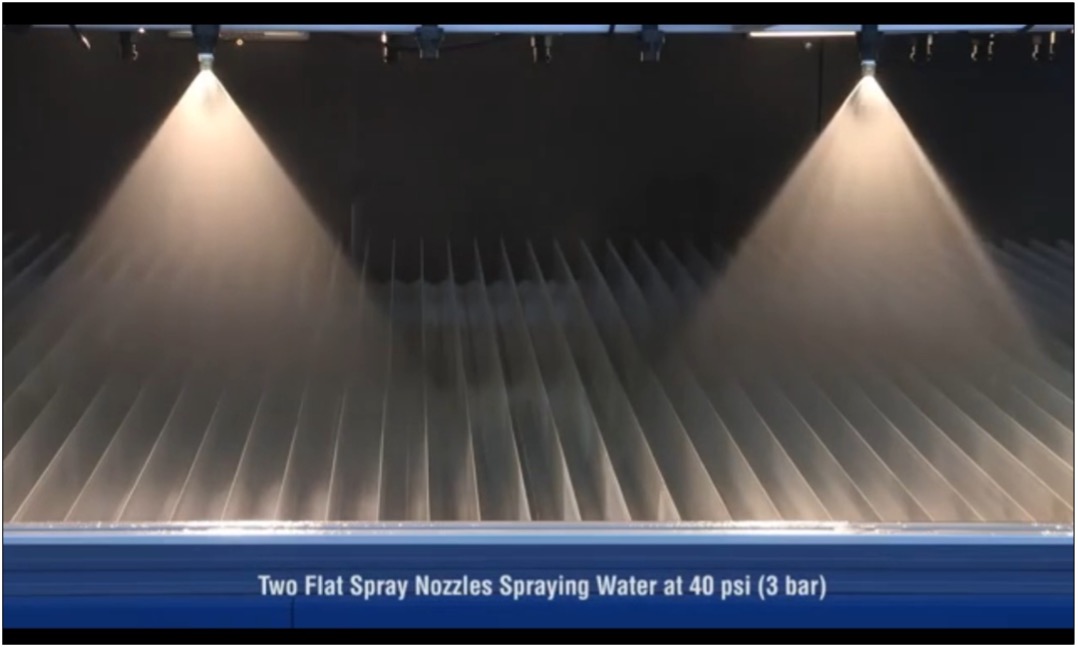
Image: Close-up photos of new and worn nozzle orifices, highlighting subtle internal erosion that is hard to spot without magnification or performance testing.
Q: What is the best way to accurately detect spray nozzle wear?
The most reliable method is to measure flow rate:
- Test a new or known good spray nozzle at a set pressure and record the flow.
- Compare it with nozzles currently in service.
- Also observe spray patterns under operation.
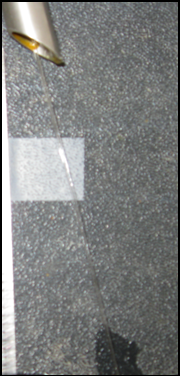
Figure 4: Solid Stream pattern with angular exit and twisting
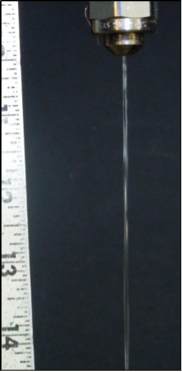
Figure 5: Solid Stream pattern with twisting occurring
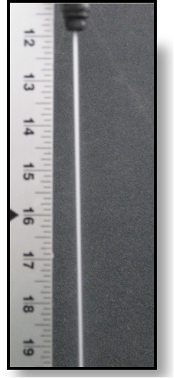
Figure 6: Solid Stream pattern with immediate breakup
Q: What are the best maintenance practices for long-lasting spray nozzles?
- Install upstream strainers/filters to prevent clogging.
- Clean gently using soft tools (toothbrush or toothpick — never wire or sharp objects).
- Inspect regularly and replace nozzles in full sets for uniform performance.
- Monitor system pressure and flow data consistently.
- Use high-quality, wear-resistant materials (e.g., stainless steel, ceramic) suited to your application.
Q: What are the effects of worn nozzles on spray pattern quality?
Worn nozzles often produce heavy edges, streaks, or narrowed spray angles, leading to poor coverage in shower systems.
Q: How can I visually inspect nozzles more effectively?
Use proper lighting, magnification, and compare against a new nozzle. Look for rounding of the orifice or signs of erosion.
Q: What top 4 spray nozzle maintenance and replacement strategies deliver the best results?
- Install filters and strainers before nozzles and spray systems
- Clean gently, with something less hard that the nozzle , like a tooth pick or tooth brush
- Monitor performance continually for increase in flow and drop in pressure
- Replace nozzles in full sets at the right interval regularly
Q: How does worn spray nozzle affect overall shower system operation?
Worn spray nozzles cause poor product quality, over/under-wetting of materials, higher water and energy consumption, increased maintenance, and potential compliance issues. Optimising your shower headers with good maintenance delivers major cost savings and better results.
Q: How often should I replace spray nozzles?
It depends on your operating conditions (abrasive dust, pressure, water quality). In tough industrial environments, proactive replacement every few months is common. Use flow testing to set data-driven replacement intervals rather than fixed time alone.
Q: What top 5 characteristics should I I look for when selecting replacement spray nozzles?
- Choose the correct flow rate
- Spray angle,
- Spray pattern – flat fan, full cone , hollow cone, misting
- Droplet size
- Material for your specific application.
Always consult specialists like Monitor Engineering to ensure optimal performance and maximum wear life in your shower systems.
Q: Where can I source high-quality spray nozzles and expert support in Southern Africa?
Monitor Engineering (www.spray-nozzles.co.za) supplies premium industrial spray nozzles, shower systems, and automated spray solutions from Spraying Systems Co. We are the leading supplier of Spray Nozzles and Spray Technology in Southern Africa , we offer expert advice, fast local supply, and high-performance products designed for reliable, long-term operation.