

Reduce Energy Consumption
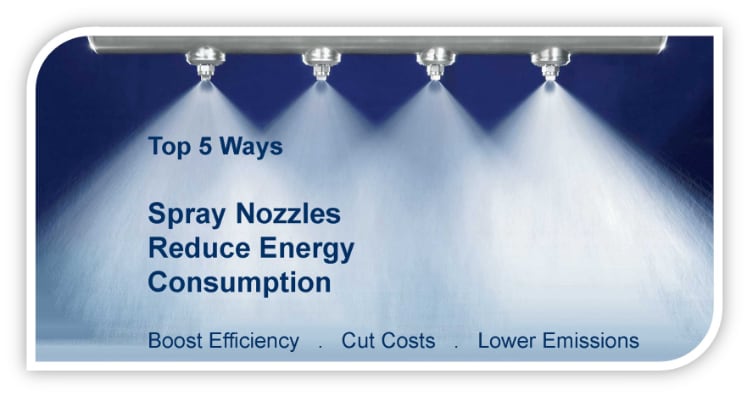
In industrial plants across South Africa — from food and beverage facilities in Gauteng and the Western Cape to mining and manufacturing operations nationwide — energy costs continue to rise. One of the most overlooked opportunities for savings sits in the spray nozzles used every day for cleaning, cooling, coating, humidification and drying. Precision spray nozzles from Spraying Systems Co. can significantly cut energy use by reducing water volume, pump demand, heating requirements and compressed-air consumption. Here are the top five proven ways spray nozzles reduce energy consumption.
1. Right-Sizing Spray Nozzles to Cut Pump and Heating Energy
Oversized nozzles waste water and force pumps to work harder than necessary. Right-sizing spray nozzles to the exact flow rate required for the application reduces the volume of liquid that must be pumped, heated or treated.
Using less water directly lowers the energy needed to operate pumps, heat the solution and treat wastewater. Spraying Systems Co. has shown that simply switching to lower-capacity nozzles can deliver large water reductions while maintaining performance — and the associated energy savings scale with every litre saved. In one documented case, a snack-food producer reduced water use by more than 80% simply by changing to lower-flow nozzles, generating multi-million-dollar savings that included substantial energy reductions.
2. Replacing Worn Spray Nozzles to Eliminate Over-Capacity Waste
Spray nozzles wear over time. Even slight wear causes them to spray above their rated capacity, increasing flow rates by 10–30% or more. This extra volume requires more pumping energy, more heating energy (if the liquid is heated) and higher wastewater-treatment costs.
Maintaining spray nozzles at their design capacity stops this hidden energy drain. Regular audits and timely replacement keep systems operating efficiently and prevent the cumulative energy waste that occurs when worn nozzles run for months or years unnoticed.
3. Switching to High-Efficiency Atomizing Solutions
Compressed air is one of the most expensive forms of energy in a plant — often accounting for up to one-third of total electricity use. Traditional air-atomizing nozzles and open-pipe blow-offs consume large volumes of compressed air.
Modern alternatives dramatically cut this demand. High-efficiency FloMax® air-atomizing spray nozzles use less air while producing finer droplets. Hydraulic atomizing spray nozzles can replace air-atomizing models in many cooling and humidification applications. Where compressed air is still required, automatic spray nozzles with positive shut-off and precise regulators further minimise air and liquid waste. In one waste-to-energy plant, switching to optimised FloMax® lances allowed a 200 HP compressor to be shut down, delivering major annual energy and cost savings.
4. Replacing Open Pipes and Inefficient Blow-Off Systems
Open pipes or poorly designed air nozzles used for drying and blow-off operations waste enormous amounts of compressed air.
WindJet® air spray nozzles and low-flow air knives reduce air consumption by 25–92% compared with open pipes while delivering more targeted, uniform airflow. Blower-powered air-knife systems can cut operating costs by up to 95% versus compressed-air alternatives. These changes lower electricity demand, reduce noise and improve drying consistency — all without disrupting production.
5. Optimising Cooling, Evaporative and Spray-Drying Processes
In cooling and evaporative applications, the right droplet size maximises heat transfer and evaporation efficiency, reducing the energy required to achieve target temperatures. HP FogJet® and other precision spray nozzles produce ultra-fine droplets that cool more effectively with less water.
In spray drying, finer and more uniform droplets improve evaporation rates, allowing lower operating temperatures or higher throughput with the same energy input. Better nozzle performance also shortens cleaning cycles and reduces the energy used for sanitation. Documented results include a can manufacturer that cut energy use by nearly 5.5 million kWh per year (saving US$500,000) and a beef processor that achieved measurable chiller-energy savings after upgrading carcass-chilling nozzles.
Conclusion
Precision spray nozzles reduce energy consumption by cutting unnecessary water flow, eliminating the waste caused by worn components, minimising expensive compressed-air use, and improving the efficiency of cooling and drying processes. For South African plants facing high electricity costs and sustainability targets, these upgrades often deliver rapid payback while supporting water conservation and lower carbon footprints.
A spray-system audit is the fastest way to identify the biggest opportunities in your facility. Contact a Spraying Systems Co. specialist to evaluate your current spray nozzles and discover how much energy — and cost — you can save on every shift.